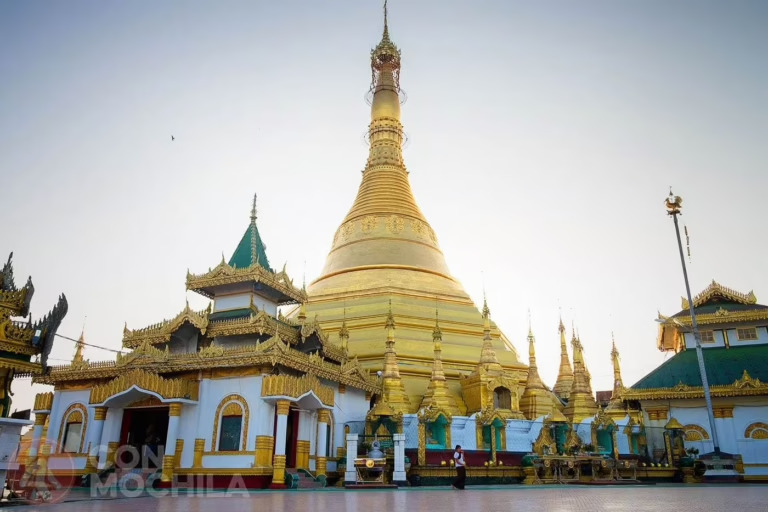
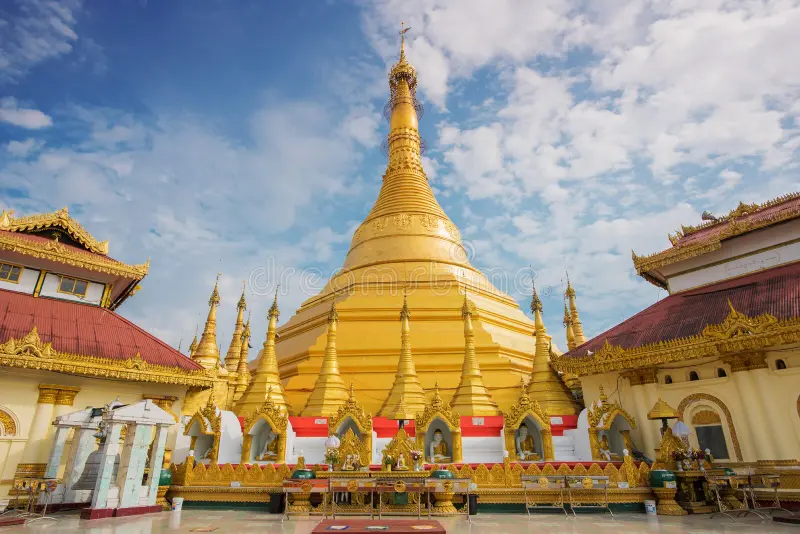
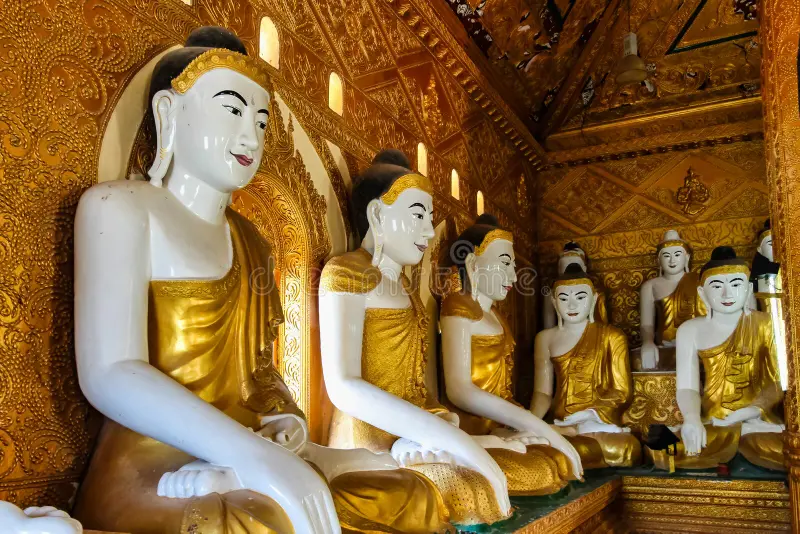
The annual festival of Kyaikthanlan Pagoda is usually held during the full moon day of Tabaung, which falls in February or March according to the Myanmar lunar calendar. During the festival, thousands of pilgrims and visitors gather at the pagoda to offer prayers, make donations, and participate in religious ceremonies. The festival is an important event for the local community and showcases the deep Buddhist traditions of Mon State. Visitors can enjoy a lively atmosphere filled with devotional activities, cultural performances, and traditional food stalls. The celebration provides an opportunity for people to strengthen their faith while appreciating the historical and spiritual significance of Kyaikthanlan Pagoda.
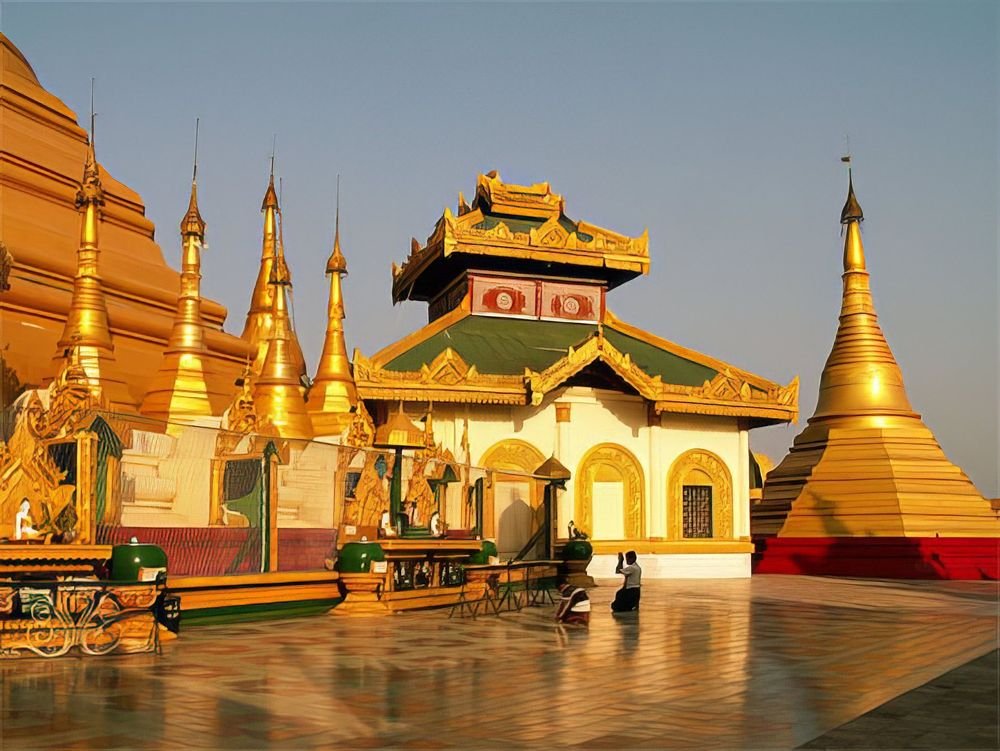
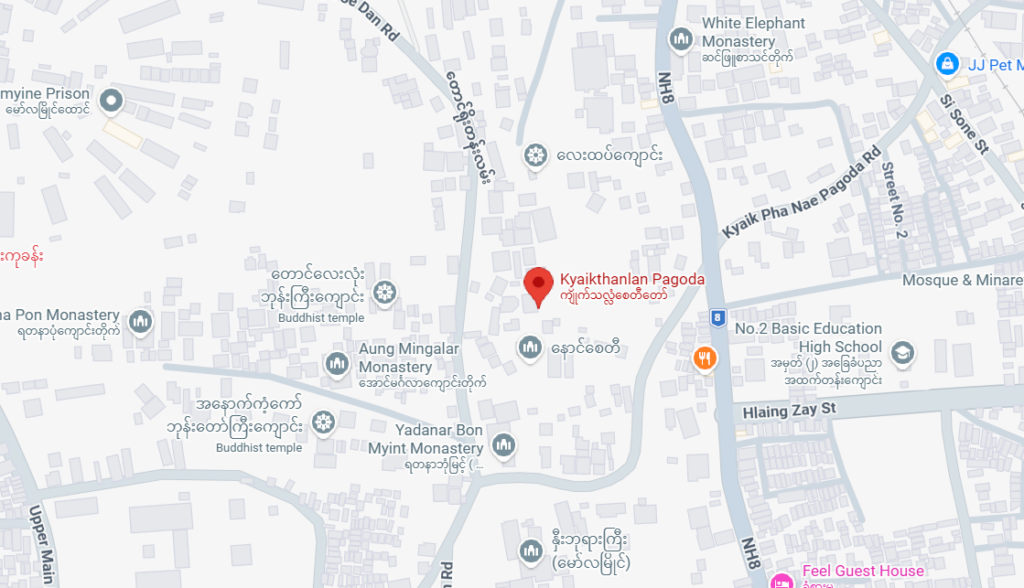
location
City: Mawlamyine
State: Mon State, Myanmar
Coordinates: 16.4893° N, 97.6286° E
History of Kyaikthanlan Pagoda
Kyaikthanlan Pagoda is one of the oldest and most important Buddhist pagodas in Mon State, Myanmar. According to local tradition, it was built more than 2,000 years ago by the Mon people after the lifetime of the Buddha. The pagoda is believed to enshrine sacred relics of the Buddha, making it a highly revered place of worship for Buddhists from across the country.
Throughout its long history, Kyaikthanlan Pagoda has undergone several renovations and expansions carried out by Mon kings, local rulers, and devoted followers. These efforts have helped preserve the pagoda's beauty and religious significance for future generations. The pagoda's golden stupa stands proudly on a hill overlooking Mawlamyine, serving as a symbol of faith, peace, and cultural heritage.
The pagoda is also closely connected to the history of Mawlamyine. Its hilltop location provides stunning panoramic views of the city, the Thanlwin (Salween) River, nearby islands, and surrounding mountains. Because of its beauty and prominence, the pagoda has become one of the most recognizable landmarks in Mon State.
Kyaikthanlan Pagoda gained international recognition through its association with Rudyard Kipling's famous poem The Road to Mandalay, which was inspired by the sights of Mawlamyine. Today, the pagoda continues to attract thousands of pilgrims and tourists each year who come to pray, meditate, learn about its history, and enjoy the peaceful atmosphere. As a treasured religious and cultural monument, Kyaikthanlan Pagoda remains an enduring symbol of the rich Buddhist and Mon heritage of Myanmar.
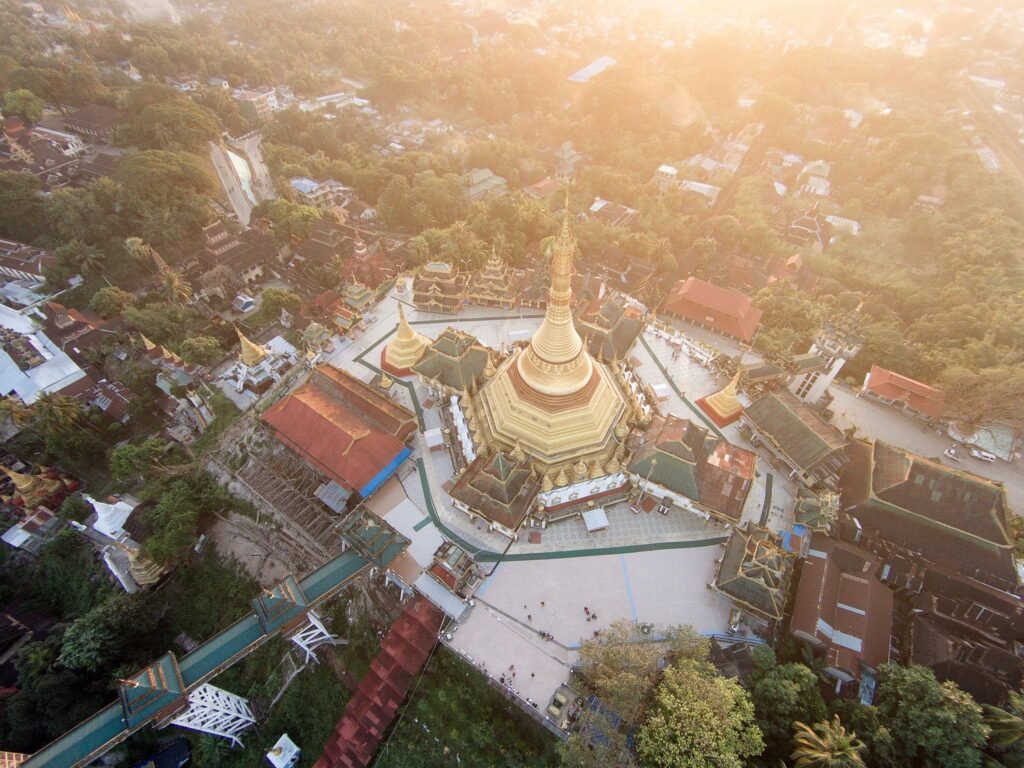
Kyaikthanlan Pagoda receives the highest number of visitors during the cool and dry season from November to March. The busiest period is around the Full Moon Day of Tabaung (February–March), when the annual pagoda festival is held. During this time, thousands of pilgrims and tourists come to worship, make donations, and participate in religious ceremonies. The pagoda is also especially crowded during weekends, public holidays, and Buddhist festivals. Many visitors prefer to come in the early morning or late afternoon to enjoy the pleasant weather and the beautiful panoramic views of Mawlamyine and the Thanlwin River.